

The Body Remembers: The Lingering Physical Toll of Abuse

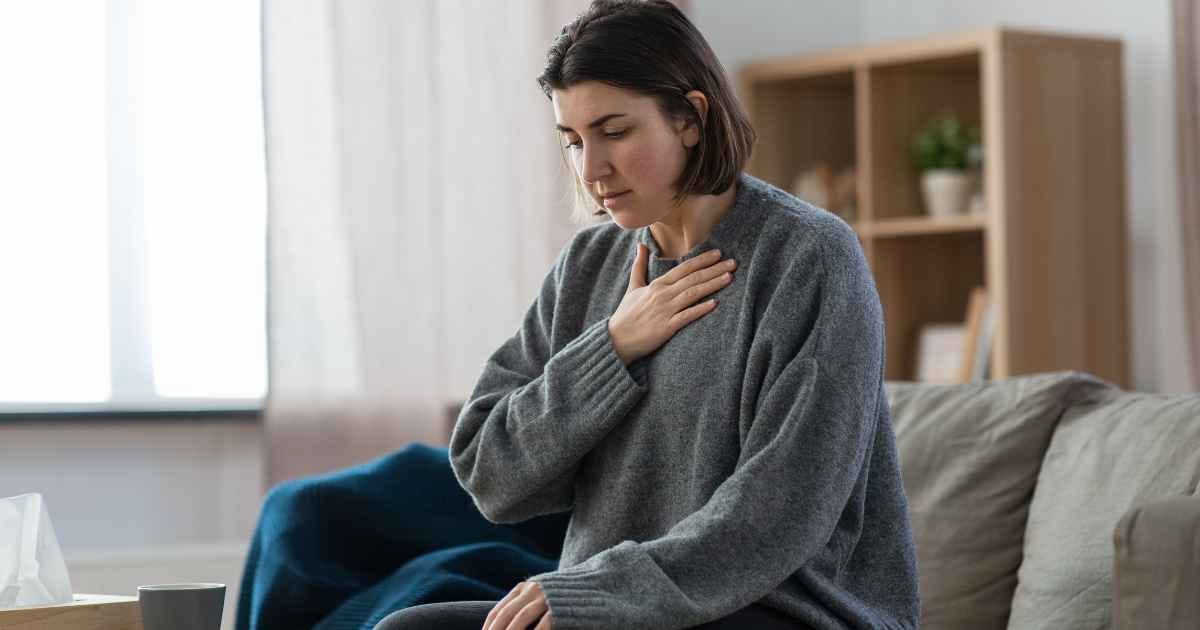
Physical violence isn’t the only kind of abuse that leaves a mark on the body. Coercive control and emotional abuse can wound the body just as deeply, disrupting the nervous system, disturbing sleep, and leaving behind chronic tension, exhaustion, and illness.
Even after leaving, many survivors find their bodies reacting as if the danger never ended. Your heart races at sudden sounds. Your stomach clenches when your phone rings. Your body remembers what your mind is trying to forget.
The stress of years spent in fear seeps into every system, from digestion and sleep to hormones and immunity. The body is hyper alert, scanning for threats that no longer exist but still feel real. It’s as though the body remains trapped in a loop of protection long after you’ve made your escape.
As trauma expert Bessel van der Kolk explains in his seminal book ‘The Body Keeps the Score’, trauma quite literally reshapes both body and brain. The body carries memories of fear and pain, even when the conscious mind wants to move on. This is why so many survivors find that long after leaving, their bodies still flinch, tense, and react as if danger were near.
Living in Survival Mode
Many survivors describe their lives after leaving as uneasy, one where the mind knows it’s safe, but the body refuses to believe it. One survivor said, “I can’t relax, even when I’m alone. It’s like I’m waiting for something bad to happen.” Another echoed, “I can’t stand arguments or raised voices, I freeze up.”
The body that once braced itself for yelling, footsteps, or the sound of a key turning in the door now tenses at the smallest cues. It’s not a lack of healing or strength; it’s physiology. The nervous system is still wired for survival.
Many speak of the pain that lives in their muscles, shoulders clenched, jaw tight, stomach knotted. “The trauma lives in my muscles. My shoulders and jaw are permanently tense,” one woman said. Another shared, “I feel like my body is permanently tense. My shoulders ache all the time because I never truly relax.”
This long term activation of the stress response can cause headaches, muscle pain, and fatigue. When the body has spent years in fight or flight, it doesn’t know how to stand down.
We can’t just switch off ‘survival mode’ the moment we leave. Often, the nervous system remains on a low-grade alert, subtly influencing breathing, movement, and patterns of thought.
When Sleep and Rest Become Triggers
Sleep, once a refuge, often becomes another site of torment. Many survivors describe restless nights, vivid nightmares, and waking in panic. One shared, “I can’t sleep properly. When I close my eyes, it all plays back like a film.” Another said, “I still have nightmares. In them I’m trapped in the house, trying to get out but my legs won’t move.” A third added, “Sometimes I wake up shaking and it takes me a while to realise I’m safe.”
The body, trained to stay alert, cannot surrender to rest. Fatigue becomes constant. “It’s the exhaustion that’s hardest to explain. You wake up tired because your body has been in survival mode for so long.” For many, there’s a kind of tiredness that seeps into the bones, a fatigue that no amount of sleep can touch.
When your nervous system has lived on high alert for years, even silence can feel suspicious. Calm becomes something you must relearn. One survivor said, “It’s the exhaustion that’s hardest to describe, not just physical, but soul deep.”
The Hidden Health Consequences
The physical toll of coercive control often shows up in the body long before the abuse ends. Many survivors describe years of unexplained fatigue, pain, or illness that doctors cannot easily explain. “It’s not just emotional, it’s physical. I get sick more often now. My immune system is wrecked,” said one survivor. Another shared, “I’ve developed health problems I never had before - migraines, fatigue, autoimmune issues.”
Living in a constant state of fear places immense strain on the body. Victims often experience a cascade of physical problems like chronic infections, joint pain, migraines, and hormonal imbalance, as their systems adapt to prolonged stress. When the source of fear and hypervigilance is finally removed, many find that these symptoms begin to ease. The body, no longer flooded with stress hormones, can slowly start to repair itself.
But recovery depends on safety. For those who continue to face post-separation abuse, the body often remains trapped in survival mode. Healing stalls under constant threat, and the physical symptoms may persist or even worsen.
Weight changes are also common. “I lost so much weight when I left because I couldn’t eat from the stress,” one survivor recalled. Others describe the opposite, where the body clings to weight as if holding onto protection. These shifts reveal how deeply trauma reshapes biology, forcing the body to adapt to years of emotional strain.
The Nervous System That Never Catches Up
The body has its own timeline for healing. Survivors often describe how their nervous systems feel stuck, unable to catch up with the reality that they’re finally free. “It feels like the abuse is tattooed on my nervous system,” one woman wrote.
For many, panic attacks, nausea, shaking, and racing hearts become part of everyday life. One survivor said, “Every message, every email makes my heart race.” Another shared, “My hands shake when I have to open my inbox because I never know what’s waiting there.” These physical jolts of fear are the echoes of danger that take time to fade.
Hypervigilance becomes ingrained. Even a car that looks familiar can cause panic. “I get panic attacks when I see a car like his. It’s been five years and it still happens.” Another said, “I can’t even describe the fear that still lives in my body,” one said. “It’s been years, but my nervous system hasn’t caught up.” The mind may know you’re safe, but the body doesn’t believe it yet.
The stress response becomes a reflex. You might still check the locks three times, avoid crowds, or flinch when someone raises their voice. This is the nervous system trying to do what it learned to do best, protect you.
The Cost of Carrying It All
The toll of coercive control can make you feel decades older. “I feel like I’ve aged twenty years in the last five,” one survivor said. The constant flood of stress hormones like cortisol wears down the body over time.
Many also describe a kind of disconnection, as though their bodies belong to someone else. “Sometimes I just feel empty. I go through the motions but I don’t feel like myself anymore.” Another said, “I feel hollow. Like I’m living in a body that doesn’t belong to me.”
When the body has been the place where harm was felt, it can take years to inhabit it again. Survivors often say they appear functional while still breaking inside. “I’ve learned how to look functional while falling apart inside.”
When chaos has been the constant, even moments of calm can feel unsafe, like a silence waiting to break.
The Slow Return to Safety
Yet, amid all the exhaustion, there is light. Survivors slowly learn to listen to their bodies again, to rest without fear, to breathe deeply without bracing for impact, to find comfort in stillness. One survivor said, “Leaving was terrifying, but I finally sleep in peace now.” Another shared, “The pain is still there, but so is gratitude. I thank myself every day for getting out.”
Many describe rediscovering their strength through the very body that once held their fear. “I have learned to take my power back. It’s been years, but the quiet confidence that comes from surviving is something no one can fake.” “I still struggle, but now I choose peace over chaos every single day.”
Each small step is part of recovery, sleeping through the night, noticing that your hands no longer shake, or realising your heart doesn’t race when you hear a familiar sound. “I finally feel safe in my own skin,” said one woman. “I remind myself constantly, I survived what was meant to destroy me.”
The body remembers pain, but it also knows how to heal. Slowly, your nervous system learns that safety is real. You start to feel rest as something deserved, not dangerous. The same body that once carried fear begins to carry freedom.
For many, that is the truest victory of all. “I no longer wake up in fear. I wake up in gratitude.”
The scars of coercive control run deep, yet the body’s capacity to heal runs deeper. The same body that carried fear also carries the strength to recover. It remembers the terror, but in time, it also learns to remember peace.
* Quotes are drawn from survivor experiences shared publicly on the Shadows of Control Facebook and Twitter pages and have been lightly edited for spelling, grammar, or clarity.
🌿 Every time someone shares in the comments, it helps break the silence that so often surrounds abuse. If you’d like to, I welcome you to add your voice.
I started losing weight the day after the discovery of the betrayal that unraveled everything. I made a sick joke to his sister after he was arrested (a year later) that I had almost hit the “goal weight” I had been targeting since college (I turned 40 this year)—I assume that she read it as me minimizing his abuse since she didn’t register it as a bad thing. I have been under my “goal weight” for 6months, and was approaching BMI underweight status for a period; clothes I wore in middle school are too big for my hips.
But everyone thinks I look great…and yes, there has been some empowerment in getting to a body weight and shape I’ve always wanted, but the dissonance of trying to be proud and confident in a body I always wanted that came as a result of a decade of coercive control is tough to work through.
We all are suffering from our abusive govt control, even if it’s subconscious, hence the disconnect from daily society, politics, escapism into sports or other “entertainment “. And it's so long term many don’t even register that it is coercive abuse.
And standing against it brings more coercion v danger. Prayer and reliance on God helps restore peace and rest we’ve forgotten.
“ come onto me ye heavy laden, and I will give you rest”.