

Before They Hit You: The Warning Signs of Escalation to Violence

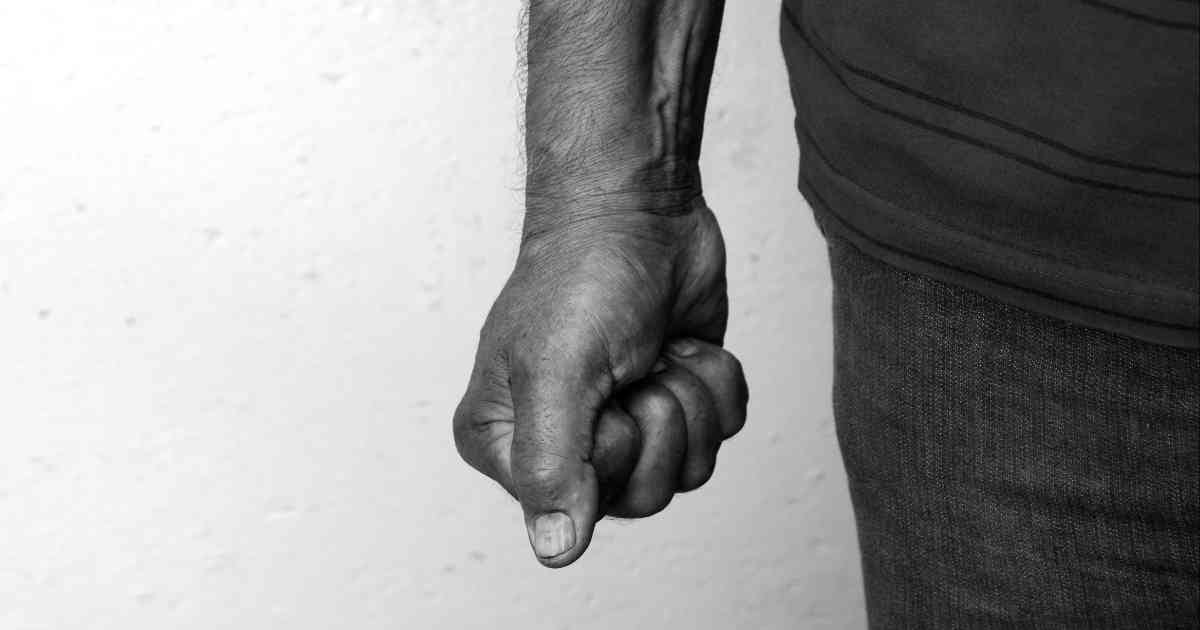
Violence does not usually come out of nowhere. Before an abuser hits you, they will show you signs. They will punch a wall before they punch you. They will throw objects before they throw you. They will kick a pet before they kick you. These are not accidents. These are not “just bad tempers.” These are warnings.
Survivors of abuse often look back and see the warning signs they didn’t recognise at the time. Maybe you have seen these signs too. Maybe you are seeing them now. Trust your gut. Believe what they are showing you.
The Build-Up to Physical Violence
Abusers often test boundaries before escalating to direct violence. It might start with intimidation, destruction of property, or harming pets. These actions serve two purposes: to instill fear and to gauge how much they can get away with.
One survivor recalled, "He’d clench his fists and bite his finger, then shake his hand. Before that, he’d scream at me on the phone. I knew to behave when he’d do this."
Another survivor shared, "There was a hole in his parents' wall for about 30 years. No one patched it. They hung a picture over it. They’d repaired so many others they just got tired of doing it, and his dad said it was up to him to repair it. Until he finally hit me, I was scared of the threat of it."
These actions might seem small at first - slamming a door, breaking a plate, punching a wall. But they are not just expressions of frustration. They are controlled acts of intimidation.
When They Show You Who They Are—Believe Them
Abusers do not always start with hitting. Before they lash out physically, they may show their violent nature in other ways:
Using violent language such as, “I could hit something right now!”
Slamming things
Punching walls or kicking over furniture
Being rough with, or actually hurting a pet
Blocking doorways to stop you from leaving
“Playfully” hitting or pinching, but too hard
Pretending to carry out a violent act, like mimicking strangling
Pushing or shoving you
One survivor shared her experience, "I tried to walk away so many times, and he would physically stop me. One time I tried to run from him into the bathroom, and he caught me and locked me inside with him. Another time he 'stalked' me, looming over me and advancing until he had me backed into a corner. The look in his eyes and the pure calculated threat in his movements made it scarier than any of the times he actually laid hands on me. If only I could have just walked away."
Another survivor describes how the signs were there long before the first hit: "He used to push me if he thought I was in his way—while cooking, while walking past him, even while I was driving if I bent down to pick up my bag. At first, I thought he was just impatient, but then I realized it was always about control."
When They Start Destroying Things, You Could Be Next
When an abuser starts breaking things, it is rarely just about frustration. It is about control, fear, and a warning of what they are capable of.
One survivor shared, "Punching holes in the wall, slamming doors off the hinges, breaking and smashing stuff… then outright telling me he would have members of my family abducted and murdered. I knew then that I had to get out."
Another survivor recalled the slow build-up: "He broke more of mine and the kids’ things than I can count. Then he’d come with the ‘sincere’ apologies when I confronted him about it. But the next time he got angry, he’d do it all over again."
When They Harm Animals, They May Harm You
Abusers often start with those who have no voice, like pets, small animals, or even children. This is a chilling warning that violence is coming.
One survivor shared, "He had killed my two rabbits but made two separate excuses—one ‘died’ and the other ‘went missing’ while he watched them when I was in class. There were a lot of holes in the walls in every place we lived.”
Another survivor recalled, "He kicked a family dog so hard they thought he broke its ribs. He showed no emotion. That should have been enough for me to leave."
Physical Restraint Is Violence
Many survivors experience physical restraint before outright violence. If someone blocks your way, pins you down, or prevents you from leaving, that is abuse.
One survivor describes, "Physically restraining me from leaving the house. I told him then that he was one step away from being a wife-beater, but in actual fact, physically restraining someone is also assault."
Another survivor recalls, "His eyes would turn from blue to black, his face would turn red, and he would puff his chest out. Then he would start blocking my exit routes with his body, following me from room to room, yelling as I tried to just get away from him."
Escalation Is Predictable And Dangerous
Violence is rarely spontaneous. Abusers follow a pattern:
Intimidation – Yelling, slamming doors, breaking things, punching walls
Control – Blocking doorways, preventing you from leaving, tracking your movements
Threats – Saying they want to hit you, kill someone, or hurt an animal
Physical Acts – Pushing, grabbing, “playful” hitting, harming pets
Direct Violence – The first slap, punch, or kick
One survivor recounts: "At first, it was just yelling—loud enough to make me flinch. Then he started slamming doors so hard the walls shook. Next, he began breaking things—my favorite mug, a picture frame of my family. The first time he grabbed my wrist, he laughed it off like it was nothing. But it wasn't nothing. A few weeks later, he shoved me so hard I hit the wall. The night he finally hit me, I realized every moment before had been leading to this."
Another survivor shares, "The last straw was him cornering me and my three-month-old baby and telling me how he fantasized about killing my parents and how he would do it. That was the moment I knew I had to leave. He is deceased now. My daughter and I are safe and happy."
Trust Your Gut And Get Out Before It Gets Worse
If you feel afraid, there is a reason. If they intimidate you, hurt pets, break things, or block you from leaving, those are warnings.
A dog will always bark before it bites.
If you see these signs, believe them. Get support. Make a safety plan. You deserve to be safe.
🌿 Shadows of Control is here to remind survivors they are not alone, and that their stories matter. The Supporter tier offers more in-depth posts and resources, while helping ensure this platform remains free and open.
Featured image: Warning signs of violence escalation. Source: Marina / Adobe Stock
Such an important concept - and one that should be taken seriously by professionals. For lack of other evidence, it might be difficult to prove the violence, and afterwards, it's too late.
Every single doorframe in our home was destroyed.