

When an Abuser Calls You the Abusive One
Understanding DARVO, projection, reactive defense

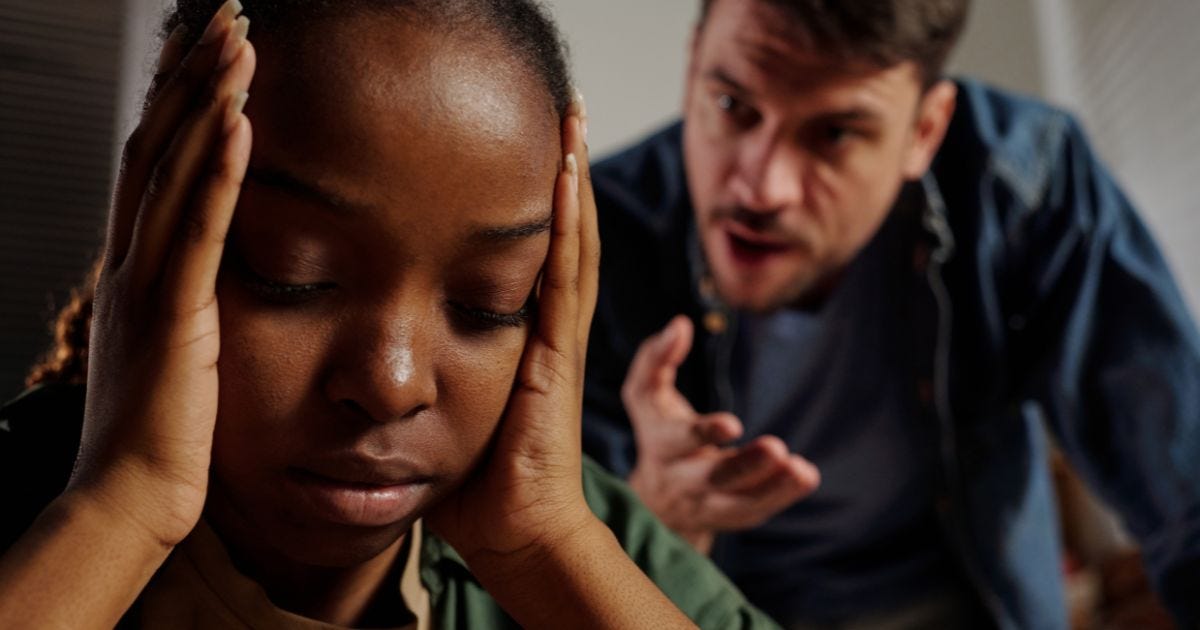
One of the most destabilising things abusers frequently do is insist you are the abusive one. Survivors hear this accusation in relationships, during breakups, in family court, in therapy, and through family members who have absorbed the abuser’s version of events. This pattern happens so often that many survivors recognise it before they learn it has a name. The strategy is called DARVO.
How This Happens
For many survivors, being called “abusive,” “neglectful,” or “the real narcissist” becomes part of the abuse itself. Abusers often turn the focus back onto you when you start naming what they do. Jennifer Freyd’s DARVO framework describes this as Deny, Attack, Reverse Victim and Offender. It describes a pattern where someone denies harm, attacks your credibility, and then claims you are the one causing the harm.
Research suggests this is a common reaction when abusive behaviour is challenged. In one survey cited in Harsey and Freyd’s DARVO research, nearly 72% of people who confronted someone about wrongdoing reported a mix of denial, personal attacks, and role reversal.
That helps explain why so many survivors describe the same bewildering script. “Yes, it’s definitely a tactic they use to make you question yourself and shift the narrative.”
Another survivor put it more bluntly: “Yes they flip the script so they can mentally hide. Turtle back up in their shell and hide from responsibility and blame you for their actions.”
The abuser seeks to control the story. Experimental research shows that when people are exposed to an abuser’s DARVO tactics, they see the perpetrator as less responsible and the victim as less believable.
A Strategy of Evasion
Abusers call their victims abusive for overlapping reasons: to avoid accountability, to confuse the victim, to gain sympathy, and to create a ready-made defence if the abuse is ever exposed. This kind of reversal helps shift blame, influence bystanders, and reduce the risk of consequences.
Playing the victim is especially effective because people expect abuse to be obvious and one-sided. If the abusive person can point to an isolated moment or moments where you had an angry outburst, sent a distressed message, or even just raised your voice, they present that as “proof” that you are the problem and ignore everything they did that led to your reaction.
Survivors describe this pattern again and again. “Mine even openly admitted he was ‘mostly’ responsible for the relationship issues but his favourite pastime was bringing up my reactions to his sustained poor behaviour, outright lies and abusive incidents.”
Another wrote, “Funny how they can repeatedly yell at and criticize and belittle you, but if you raise your voice back once you are the problem.”
Sometimes the accusation becomes extreme. “He once accused me of being abusive because I was crying. He said if I didn’t stop crying, I was abusing him.”
Another said, “He said I was abusing him by flinching when he harmed me in some way, or by trying to protect my head when he beat me.” These examples show that the real purpose of the accusation is control.
Reactive Defence, not “Reactive Abuse”
The term ‘reactive abuse’ is commonly used to describe what happens when a victim is pushed to a breaking point and reacts or fights back. This term misleads people. Abuse is a pattern of power and control. A person reacting to sustained harm is doing something very different from the person causing the harm. Responding to abuse is not the same as abusing someone.
The term ‘reactive defence’ is more accurate and describes what is actually happening: a response to ongoing coercion, fear, or harm.
Many survivors recognise this pattern. “I started wondering if I was abusive because I would scream and shout and cry and when he’d hit me and after a few years I started to hit back.”
Another said, “I pulled a dreadlock out, so I was abusive. But I only pulled it because he was on top of me and choking me.”
In some cases, the abuser deliberately provokes these reactions. Research on coercive control shows that abusers may try to trigger a response and then present that moment out of context. “He would yell at me for hours, intentionally trying to trigger a reaction so he could ‘expose my true nature’. And then he’d sit back and smirk.”
Another wrote, “he would video my retaliation after he’d abused me for hours, days or weeks.”
This is why single incidents can be so misleading. A video clip or audio recording might capture the moment someone can’t take anymore and reacts, but they omit the long pattern of intimidation, fear, and control behind it.
Narcissism and Projection
Not every abusive person is narcissistic, and it is important not to overuse that label. Still, research shows a link between narcissistic traits and abusive behaviour, especially traits like entitlement, lack of empathy, and sensitivity to criticism.
Projection is a common pattern in people with strong narcissistic traits. In simple terms, it is when they attribute their own behaviour, motives, or feelings to someone else. For someone who relies on a carefully protected self-image, admitting fault can feel threatening or even intolerable. Shifting those traits onto another person helps them avoid shame, preserve a sense of superiority, and sidestep responsibility.
In practice, this reversal can be striking. A narcissist who lies repeatedly may call you dishonest, one who is unfaithful may accuse you of cheating, and a narcissistic abuser may insist that you are the one that is the narcissist. The accusation is about protecting their self-image and controlling how the situation is seen.
Survivors often notice this clearly. “Everything he did, he claimed I did. He had zero proof and I had LOTS!”
Another wrote, “After I told them I think they are narcissistic they suddenly learned new big words and just said that back to me.”
And another: “He called me a narcissist when he was the one who ticked every box and still refused to believe he was the issue. You know when all his exes are ‘crazy’ and ‘mental’ ... then girls the common denominator is him!”
The accusations work because they target a person’s conscience. Someone who is being abused is often already questioning themselves, which makes the reversal especially powerful.
When They Recruit Other People
These accusations are rarely kept private. Abusers may tell friends, family, colleagues, or new partners that the victim is unstable, abusive, or dangerous. DARVO research shows this can shape how others interpret the situation and lead them to dismiss the victim’s account.
Survivors describe smear campaigns that spread widely. “He makes sure to tell anyone who listen that I’m the mean one and that I’m crazy not him.”
Another said, “They tell everyone that I’m the abuser and liar. That I’m stalking and harassing them. But it is in fact the other way around!”
Children are especially vulnerable to this kind of manipulation. Research shows they can be drawn into the abuse and affected in lasting ways. “He took my son and alienated him by telling him I am abusive.” Another wrote, “He told the children he was the victim even had me arrested.”
When children hear these claims repeatedly, they hear one side of a very distorted reality.
Courts, Police, and Social Workers
The risks increase when these narratives reach institutions. Practice guidance on family violence warns that misidentifying the real perpetrator is a serious and common issue, especially when abusers present themselves as victims and make accusations against their partners.
Police and professionals may rely too heavily on a single incident, visible injuries, or assumptions about how abuse “should” look. This can lead to the wrong person being identified as the aggressor. One widely cited resource found that around 58% of women labelled as predominant aggressors by Victoria Police in Australia were later found to have been the victim (Ulbrick and Jago, 2018).
The consequences can be severe: criminal charges, imprisonment, loss of housing, damage to reputation, and separation from children. Survivors describe this clearly. “Almost everyone believed it, including authorities. It took a lot to get help and prove I was being abused and NOT him.”
Another said, “I was charged as the abuser. The courts took his word with NO EVIDENCE!!”
In family court and child protection contexts, the impact can be even greater. These narratives can influence decisions about custody, safety, and who is seen as a risk.
When the Victim Internalises the Abuser’s Words
Being repeatedly told you are the abusive one can deeply affect how you see yourself. Research links these tactics to increased self-doubt and self-blame, and shows they can undermine how others perceive you.
Survivors often describe questioning their own reality. “He repeated it until I went to therapy and asked the psychiatrist if I was one.”
Many seek therapy because they have been pushed into doubt. “He told me I was abusive so I went to therapy and I was talking about me being abusive and gave her an example and she looked baffled and explained that wasn’t me abusing, that was me trying to set a boundary.”
Another wrote, “Frequently. I have explored this with so many therapists... several hundred therapy sessions later and leaving him to be free it turns out I’m not the narcissist!!”
For some, therapy becomes the turning point. “They use your reaction to their abuse as their ‘evidence’ that you are the ‘problem’. I even went to therapy. I’m glad I did because that’s when it all because clear.”
The abuser inflicts a double injury. First comes the abuse itself, and then the accusation that your response to it proves you are the problem. As one survivor put it, “It’s incredibly painful when you’re forced to endure abuse and then blamed for it, it’s like your reality is being distorted and nobody believes you.”
What Matters: The Pattern, Not the Moment
When an abuser calls you the abusive one, the most important question is not “Did I ever react?” It is “What is the pattern over time?”
Abuse involves a repeated pattern of control, intimidation, manipulation, coercion, entitlement, and harm. Someone raising their voice once, defending themselves, or breaking under pressure does not create that pattern.
Reversal tactics work because they focus on isolated moments and strip away context. They turn survival responses into “evidence” while erasing everything that made those responses necessary.
Seeing the pattern clearly serves a protective function. It allows you, and others, to step back from the confusion and ask better questions: Who holds power here? Who is afraid? Who is changing their behaviour to avoid harm? Who benefits from the story being told?
Those questions bring the focus back to what is actually happening. Not the accusation, but the reality underneath it.
* Quotes are drawn from survivor experiences shared publicly on the Shadows of Control Facebook and Twitter pages and have been lightly edited for spelling, grammar, or clarity.
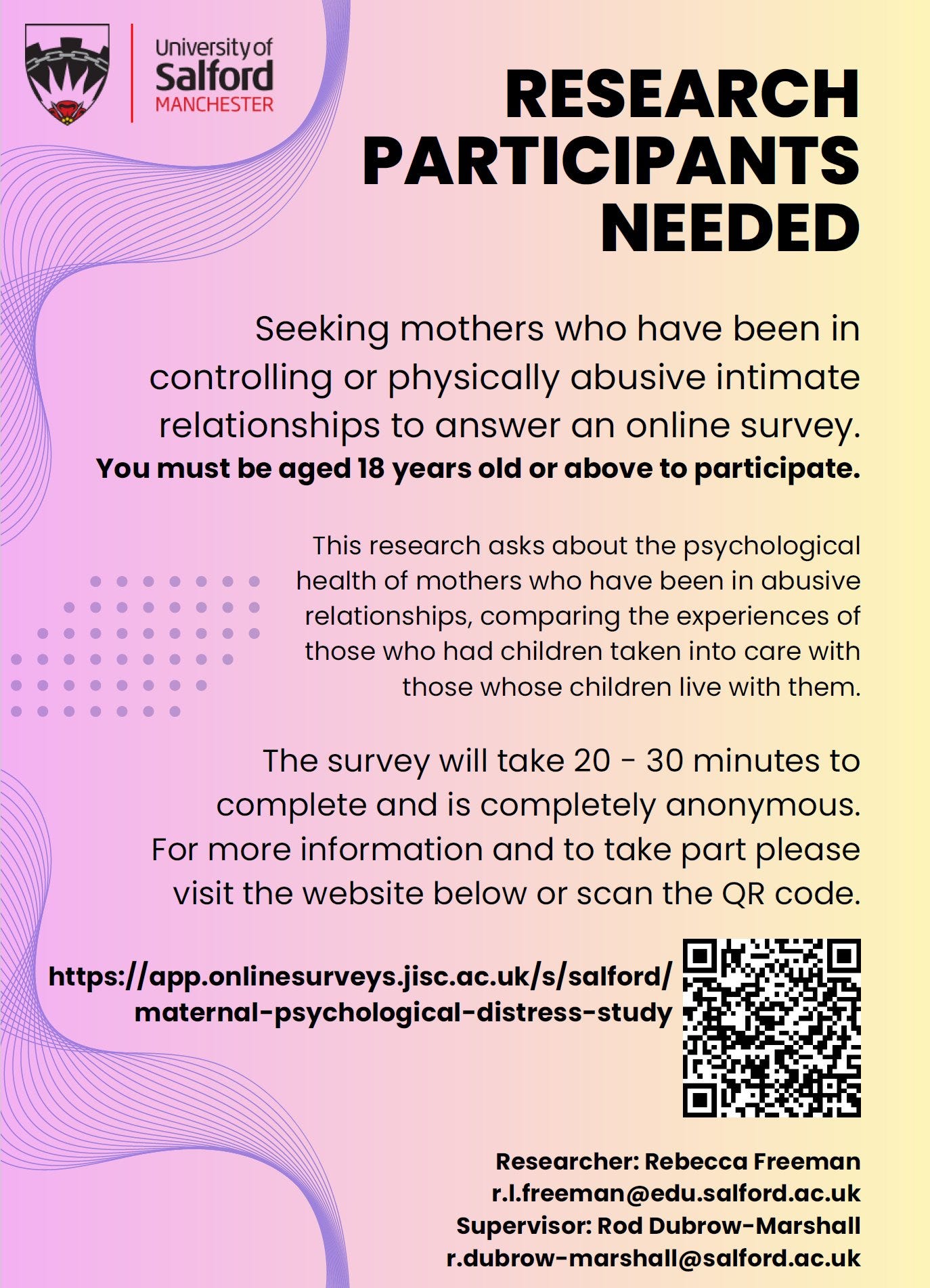
A university study is seeking mothers who have been in controlling or physically abusive intimate relationships to answer an anonymous online survey. It takes 20-30 minutes to complete.
Here is the link to learn more or take part: https://app.onlinesurveys.jisc.ac.uk/s/salford/maternal-psychological-distress-study
How does society ensure that courts, police, etc have the tools and knowledge to prevent them from becoming extensions of the abuser? So far, society has failed.
The bit about being filmed really hit home. Mine used to do that and I found it so humiliating.