

Monthly Q&A: Why the Holidays Are So Hard During and After Abuse

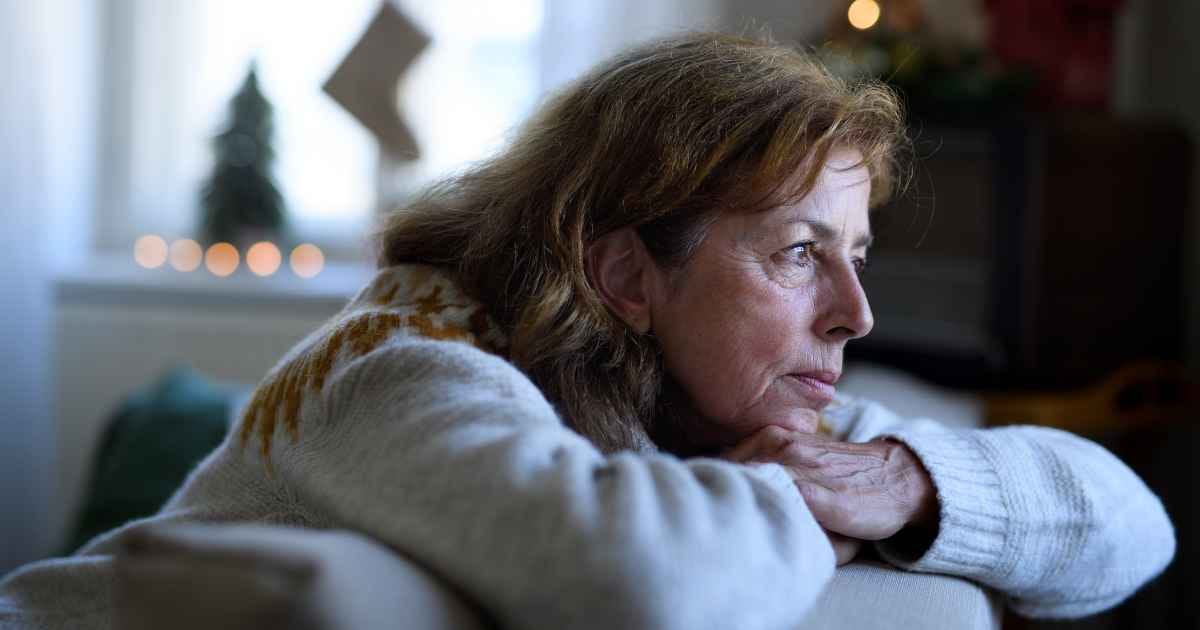
The holiday season is often spoken about as a time of joy, connection, and rest. But for many victims and survivors of abuse, Christmas, New Years, and the weeks surrounding it are anything but restful. They can be a time of heightened abuse, emotional pressure, loneliness, and painful comparison.
This month’s questions all circle around the same theme: how abuse intensifies during the holidays, the complicated emotions that follow once the pressure lifts, and the quiet shame that creeps in around the new year when we are told we should be further along than we feel.
As with my other Q&As, I am answering as someone who has lived through abuse, who continues to navigate its aftermath, and who has spent the last two years listening to the experiences of thousands of other survivors. What I offer here is personal reflection and context, to help you make sense of your reactions in a way that honours what you’ve lived through.
Q1: Why is my abusive husband at his very worst around Christmas?
Christmas is often one of the hardest times of year in an abusive relationship. By the time December arrives, you may already be depleted from carrying the emotional, practical, and psychological load of living with abuse, and then Christmas adds another layer of difficulty.
That was certainly my experience. What made it so difficult was not simply the extra work of the season. It was the way Christmas became entirely centred around him. Everything had to be done his way, to his standards, on his timeline. Plans to host dinners were made without discussion, and I was expected to absorb the stress and create a flawless festive atmosphere on top of everything else I was already carrying.
Holidays often intensify the dynamics that already exist. For someone driven by control, entitlement, and the need for admiration, Christmas offers endless opportunities. There are social expectations to meet, appearances to maintain, and traditions to dictate. Abusers often feel entitled to decide how the holiday is spent, who is included, and whose needs matter. Meanwhile, your preferences, your family, your energy levels are sidelined.
Chaos is a common feature. Christmas carries emotional weight, and abusers often use that to their advantage. Picking fights, sulking, withdrawing, criticising, or creating drama shifts attention back onto them. It keeps you focused on managing their mood rather than enjoying the season. Joy, connection, and calm threaten their control, so they act to reassert it in whatever ways they can.
For many, isolation also becomes more visible at this time. Abusers may insist on spending Christmas only with their own family or friends, or they may create reasons why seeing your loved ones is inconvenient or “selfish”.
For those who have left the relationship, this pattern doesn’t necessarily end. Post separation, many abusers escalate their behaviour around holidays. They sabotage plans, create conflict around children, disrupt routines, or manufacture crises. I experience this too. My ex-husband has repeatedly created chaos around birthdays, Mother’s Day, Christmas, and other significant moments.
Abusers struggle deeply with seeing you experience joy that does not revolve around them. They interpret your happiness as rejection, and your boundaries as defiance. When they are no longer at the centre of your life, they may try to reinsert themselves through disruption and control.
Seeing this pattern clearly does not erase the pain, but it can help you understand it. If Christmas feels harder than it should, it is not a personal failing. It is because the season intensifies a dynamic that was never safe to begin with.
Q2: Christmas was always an especially terrible time with my abuser. Now that I’ve left, I thought I’d finally feel relief to have Christmas without him, but I don’t really. I’ve almost gone the opposite way, and I don’t feel like doing anything. I haven’t gone to any Christmas parties, I didn’t even want to celebrate with my own family and friends. I just felt like being lazy and doing nothing, and I feel so guilty, like I should be making more effort. Is this normal or am I in some kind of depression?
