

Living in Fear: The Harrowing Reality of Post-Separation Stalking

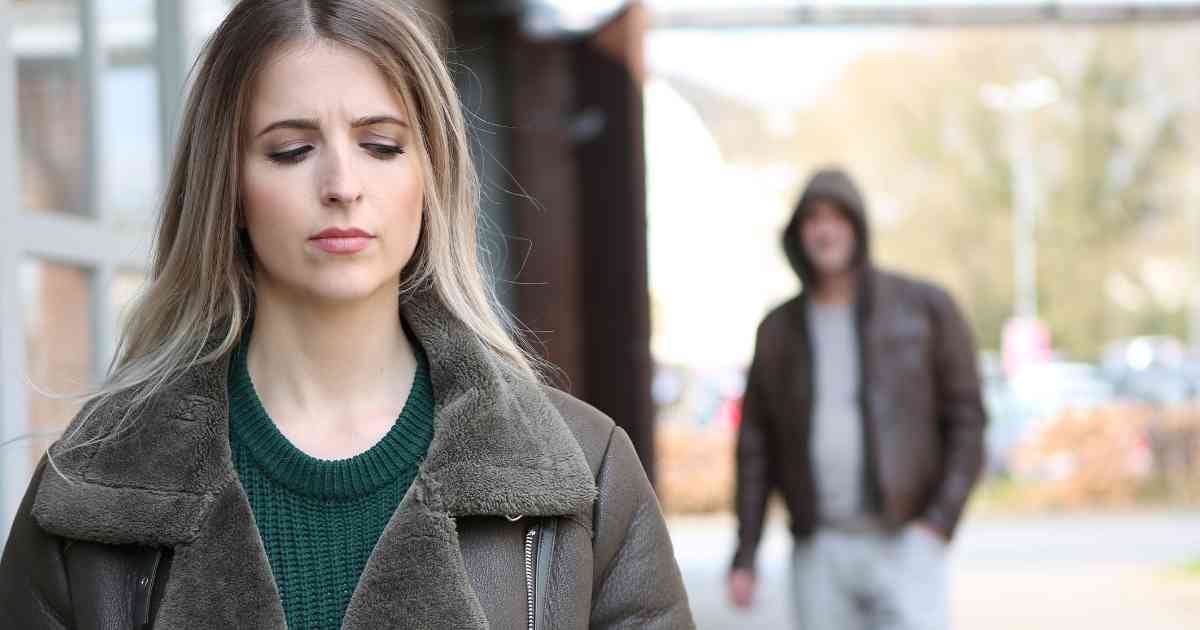
Post-separation stalking is a pervasive and terrifying experience for survivors of domestic abuse. It occurs when an abuser refuses to relinquish control after a breakup, subjecting their former partner to ongoing surveillance, intimidation, and harassment. For many, leaving an abusive relationship is just the beginning of another nightmare—one where they are constantly watched, followed, and manipulated.
What Is Post-Separation Stalking?
Post-separation stalking is a form of coercive control where abusers refuse to let go. It manifests in various ways, including physical surveillance, online harassment, tracking devices, and enlisting others to monitor or intimidate the survivor. Many victims report feeling like prisoners in their own lives, afraid to move, speak, or even exist freely.
Survivors describe it as an all-consuming, psychological terror: "It felt like I was living in a cage with invisible bars. Every step I took, every message I sent, every place I visited—he knew. I stopped going out, stopped talking to people, even changed my routines, but nothing made it stop. It was like being hunted. I was always afraid of what he might do next."
Another survivor shared: “I increasingly became aware that he monitored my phone usage, having messages pop up whilst I was online, commenting on a restless night if I’d been awake. He’d turn up at my home or where I was dog walking or riding. But I dismissed them as ‘happy’ coincidences. Now, I realize I was being tracked.”
The Scale of the Issue
The prevalence of post-separation stalking is deeply concerning. A 2024 report by the Domestic Violence Death Review Team (DVDRT) in Australia revealed that that stalking was a factor in almost three-quarters of the cases where a woman was murdered after separating from her partner. Furthermore, nearly two-thirds of the 244 domestic violence-related homicides, where a man killed his female intimate partner, took place during or following a separation, with the relationship having either recently ended or one or both individuals expressing the intent to separate.
In the United States, the situation is just as bad. A report by the Stalking Prevention Awareness and Resource Center showed that 40% of stalking victims are stalked by current or former intimate partners. Of those stalked by a former intimate partner, 74% reported violence and/or coercive control during the relationship. These statistics barely scratch the surface, as many cases go unreported due to fear or the belief that authorities will not take them seriously.
Survivors’ Experiences: The Endless Fear
Survivors of post-separation stalking often describe their reality as being trapped in a nightmare. Their abusers use any means necessary to maintain control, leaving them with no sense of safety or privacy.
One survivor shared: “I can’t leave the house unless I’m with him. If people come over, they aren’t allowed to use the front door. I’m padlocked inside, he has the only key. My windows are screwed shut, no bathroom door. I’m being voice recorded 24/7. Everything I need has to come from him, and I don’t always get it. I can’t visit my mother or even be alone with my daughter.”
Some face direct physical threats and home invasions: “He literally tried to force open the bars on the doors and windows of my rental cottage. He said he was only doing it because I ‘needed dog food’ and he was bringing me some. It was 2 a.m.”
Another survivor described relentless stalking: "No matter where I went, he was there—lurking just out of reach, but close enough to remind me he was watching. I’d see his car parked near my job, get messages commenting on places I had just been, and even mutual acquaintances would casually drop hints that he ‘knew’ what I was up to. It was relentless, like a shadow I could never escape."
The Psychological Impact of Post-Separation Stalking
The relentless nature of post-separation stalking causes immense emotional distress. Many survivors develop anxiety, depression, and PTSD. They live in a constant state of hypervigilance, unsure when or how their abuser might strike next.
One survivor reflected: “I moved from Kentucky to Boston and he flew up there and called me. It’s been 10 years, and he persists. Insane.”.
Another woman described how she is still on edge many years later: “My ex-boyfriend from high school came halfway across the country to stalk me in college after I broke up with him. He got a job working for my landlord and had access to my apartment. He’d follow me, and he came to my door in middle of night. It took years to shake off the trauma and I still feel like I have to be careful.”
One survivor described the psychological toll: “I just want to get divorced and never, ever want to see or hear from him again. I gave all of me to someone who didn’t deserve it. I am healing, slowly rebuilding myself, but the fear never really leaves.”
Some survivors feel let down by law enforcement: “He hacked my accounts, monitored my home security cameras, copied my house keys, and broke in when I was away. He stole personal belongings, trashed my home, poured weedkiller on my plants, even dressed in my clothes. I reported it, but absolutely nothing was done.”
Even legal interventions often fail: “He sat on his motorcycle just far enough away from restraining order distance with a scarf covering his mouth. He broke into my place through a window he knew was old, left flowers, candy, and a card. When I put up a camera, he would routinely come by and wave at it. The police did nothing.”
Technology and Post-Separation Stalking
Modern tech has given stalkers new tools to exert control and for many, technology becomes a weapon used against them: “His phone was permanently logged into my Find My Phone so he could see where I was at all times. The login details for every app on my phone were also on his phone. Every text I sent also went straight to his phone.”
Another survivor shared, “Mine hacked into the account of the new business I started and sent himself emails from there and some of my accounts. He admits it in court. He tells the court I must return home. He thinks he is untouchable.”
Another woman said, “My ex checked the satnav in my car, opened all my post without permission, and installed covert cameras around the property. He took 30 pages of screenshots of my social media posts to claim slander and defamation.”
Strengthening Protections
Post-separation stalking is a serious, life-altering issue that demands more attention. Survivors should not have to live in fear, and legal systems must do more to hold perpetrators accountable.
Greater awareness, stronger laws, and improved law enforcement responses are crucial in addressing this epidemic. Survivors need more than just restraining orders—they need real protection. Until then, too many will continue to live under constant surveillance, unable to reclaim their freedom after escaping abuse.
Featured image: Post-separation stalking. Source: Joerch / Adobe Stock.
* Quotes are drawn from survivor experiences shared publicly on the Shadows of Control Facebook and Twitter pages and have been lightly edited for spelling, grammar, or clarity.
Thank you for this. Can this be reposted? For me the post separation stalking is/was worse than in the relationship. Multiple attempts on life, all the crimes… Abuse by proxy allows others to stalk you without the root abuser being present or seemingly responsible. This is another epidemic. I think Survivors need to connect on this for support and solutions. How can we do that?
Thank you for raising this issue!