Red Flag Decoder: “Am I Just Something on the Side?”
A breakdown of suspicion, accusation, and the pressure to prove your innocence.


The Red Flag Decoder series takes real conversations, emails, and text exchanges drawn from across the internet or from my own lived experience. Each example is fully anonymised, with identifying details removed. I break down what is really being said beneath the surface and highlight the red flags and tactics at play.
Background Context
This exchange took place between a young man and his girlfriend, who were in the early stages of a relationship. He sent a good morning message and got no immediate reply. A short time later, she responded and explained that she got home late and slept in. He did not accept her explanation but moved straight into suspicion, accusation, and emotional pressure.
The Message

The Red Flags
Turning a delay into suspicion
The person in this exchange treats a delayed reply as something loaded with meaning. He leaves no room for sleep, work, distraction, or a simple late response, and moves straight into suspicion.
Going straight to accusation
“You have another boyfriend huh?” turns a missed reply into evidence of cheating. He offers no evidence and shows no interest in finding out what actually happened. He lands on a conclusion and places his girlfriend in the position of defending herself.
Using emotion to create pressure
The broken heart and sad face emojis do more than add feeling to the exchange. He uses them to frame himself as hurt before her explanation has even landed. That emotional presentation pushes the conversation toward his distress and gives the accusation more force.
Handing his insecurity to someone else
He places his insecurity into the conversation and expects his girlfriend to carry it. He does not sit with his own uncertainty or manage it himself. He pushes it outward and makes her responsible for resolving it.
Creating a crisis
Nothing in the exchange points to betrayal. Nothing supports the accusation. Even so, he turns a normal delay in replying into a relationship crisis and pulls his girlfriend into responding as though something serious has happened.
Deciding when it is over
“Pheeeeuwwwww okay, we are all good 😊” is one of the clearest lines in the whole exchange. He decides the issue is over as soon as he feels reassured. He does not acknowledge his accusation, repair the damage, or show any interest in how she feels after being put in that position.
That leaves him in control of the full emotional arc. He creates the tension, expects reassurance, and then declares the matter settled on his own terms.
The Trap
Messages like this can seem harmless at first. It is easy to interpret them as signs of care, affection, or someone simply missing you. That can make the behaviour feel easier to overlook or excuse.
The issue is not just one message exchange. It is the overall pattern that often sits behind it.
A controlling person uses suspicion to create defensiveness. Very quickly, the conversation stops being about the original situation and becomes about managing their fears, insecurities, and emotional reactions. Instead of discussing why they jumped to conclusions, you find yourself trying to convince them that they have nothing to worry about.
That shift changes the entire dynamic. You begin feeling responsible for proving your innocence rather than expecting to be trusted. You may find yourself apologising, overexplaining, and offering reassurance even when you have done absolutely nothing wrong.
Eventually, this response can become automatic. The relationship teaches you that it is easier to calm their anxiety than to challenge it. So you explain yourself more quickly, reply more quickly, and work harder to prevent accusations before they happen.
A controlling person brings their own insecurity into the relationship and places the burden of managing it onto you. They seek proof, demand reassurance, and position their emotional state as the most important issue in the interaction.
The result is that more and more of your energy becomes focused on preventing their discomfort. Your own feelings, needs, and instincts gradually take a back seat. In time, the relationship can begin revolving around avoiding suspicion and managing reactions rather than building the trust that healthy relationships depend on.
What’s True
A delayed reply is perfectly normal and acceptable in this context. So is being unavailable for a period of time. None of that justifies being questioned about loyalty.
In any relationship, you are allowed to:
Have a life of your own outside the relationship.
Respond to messages at a time that is right for you.
Be unavailable for periods of time without the need to explain yourself.
Refuse responsibility for someone else’s insecurity.
Expect trust instead of suspicion.
A healthy partner might miss you and wonder what you are doing. A controlling person turns a pause in contact into an accusation, pulls reassurance out of you, and then acts as though everything is resolved once they feel better.
Trust is built through patience, respect, and the understanding that another person cannot be available, accessible, or accountable every moment of the day. When someone expects otherwise, it reflects insecurity, entitlement, and complete disregard for your autonomy.
You might also like:
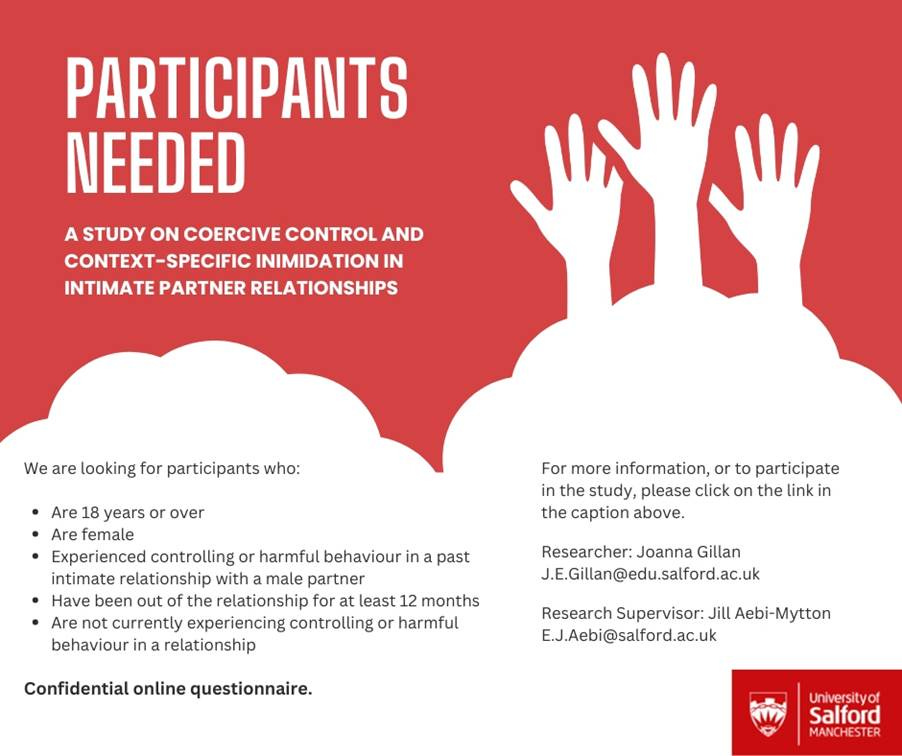
A university study exploring intimidation tactics in controlling relationships is currently open for participation. It’s an anonymous questionnaire that takes 15-20 minutes to complete. Here is the link to learn more or take part: app.onlinesurveys.jisc.ac.uk/s/salford/vbi
Thank you for supporting research that helps bring greater awareness to coercive control.